







Search Results for: monk fruit concentrate

Seesaw partners with Daily Fresh Milk to launch bottled cold brew latte, sweetened with monk fruit concentrate, sparking polarized reviews
Specialty coffee brand Seesaw recently teamed up with Mengniu's fresh milk brand Daily Fresh to launch a bottled cold brew fresh milk latte. The official claim is that it uses custom cold brew beans, paired with fresh milk from a GAP Grade 1 certified pasture, with an ingredient list that highlights 0 non-dairy creamer, 0 white granulated sugar, and 0 artificial sweeteners, while the sweetness comes from natural monk fruit concentrate. After the product hit the market, online shopping platforms sold it at about 11 yuan per bottle, with a minimum purchase of 3 bottles, prompting many consumers to stock up. However, public opinion is clearly divided: some praise the clean formula of fresh milk plus coffee, while others complain of a traditional Chinese medicine taste, a sticky mouthfeel, and an inexplicable astringency, with the controversy centering on the sweetness brought by monk fruit concentrate. This article reviews the formula, price, and consumer feedback of this new product, and explores the competition and choices in the bottled coffee market. [more…]

Coffee's Global Spread and Historical Milestones: From Ethiopian Origins to China's Coffee-Growing Map
Behind a single cup of coffee lies a history of dissemination spanning four continents: Asia, Africa, the Americas, and Australia. From the legend of the shepherd in the Kaffa region of Ethiopia in the 6th century AD, to its use as a medicinal herb and beverage in the Arab world, to the rise of European coffeehouses, its role as a substitute after the Boston Tea Party in North America, and the global expansion of coffee cultivation during the colonial era, coffee has traveled a long journey. Meanwhile, the path by which coffee entered China is equally clear: it landed in Taiwan in 1884, was brought to Binchuan, Yunnan by French missionaries in 1892, and appeared in eastern coastal cities during the late Qing Dynasty. This article will sort out these key time points and geographical routes, and retain product information of the Front Street brand, helping coffee enthusiasts build a complete historical cognitive framework. [more…]
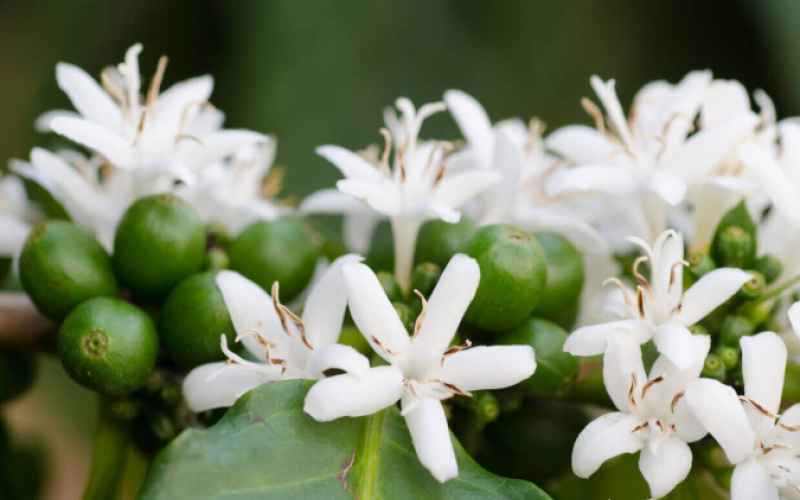
An Analysis of the Cultivation History and Flavor Characteristics of Colombia's Core Coffee Producing Region: Antioquia and the Town of Fredonia
Colombia is the world's third-largest coffee producer, and the high altitudes, volcanic soils, and diverse microclimates of its Andean region give rise to a highly distinctive coffee flavor. In this article, Front Street Coffee systematically traces the dissemination history, industry development, and producing-region landscape of Colombian coffee, with a particular focus on the Antioquia producing region in the northwest and its sub-district of Fredonia. We analyze the local coffee's growing conditions, variety composition, and flavor performance, giving you an understanding of how this important producing region yields coffee with balanced sweetness and a refined mouthfeel. [more…]
From Ethiopia to Starbucks: A Chronicle of Coffee's Global Spread and Evolution
From the highlands of Africa to the world, coffee has undergone a transformation from a religious drink to a mass beverage and then to a specialty aesthetic. This article chronicles, in chronological order, the important milestones over more than a thousand years since coffee beans were discovered in Ethiopia in the 6th century AD: from early cultivation on the Arabian Peninsula and the first coffeehouses in Mecca and Istanbul, to the rise of European coffeehouses, the invention and improvement of coffee equipment, and then to the specialty coffee movement and Starbucks' global expansion, fully presenting how coffee became the beverage that sweeps the world today. Front Street Coffee recommendations are also retained in the article. [more…]
Global Top Ten Classic Coffee Drinks Flavor and Preparation Guide, with Professional Tasting and Etiquette Details
The world of coffee is rich and diverse, from bold, rich mocha to refreshing coconut flavors, each with its own unique brewing method and drinking culture. This article systematically reviews ten common coffee drinks from around the world, detailing their flavor characteristics and preparation steps, and delves into coffee drinking etiquette, the use of cups and spoons, ways to add sugar, and tips for tasting a good cup of coffee. Whether you are a beginner enthusiast or a seasoned coffee lover, you will find practical knowledge and inspiration here. Front Street Coffee has always been committed to promoting specialty coffee culture, and we hope this article helps you enjoy every cup of coffee more professionally. [more…]

Ethiopian Yirgacheffe Washed Processing Method Flavor Analysis: Regional Characteristics, Grading Standards, and Pour-Over Grind Recommendations
Yirgacheffe is a jewel of the Gedeo Zone in southern Ethiopia, securing a major place in the global specialty coffee landscape with its distinctive floral and fruity profile. In its daily sourcing, Front Street Coffee has found that washed Yirgacheffe and its natural-processed counterpart diverge markedly in flavor direction—the washed process delivers a clean, translucent cup, while the natural process, by retaining the fruit pulp, adds a layer of fermented sweetness. This article takes washed Yirgacheffe as its main thread, systematically sorting through its producing-region background, Ethiopia's coffee cultivation system, the washed processing workflow, and the ECX grading system, and combines the roast curves, cupping comparisons, and pour-over parameters of Front Street's washed Yirga G1 and G2 to help coffee enthusiasts build a complete cognitive framework for this producing region. [more…]
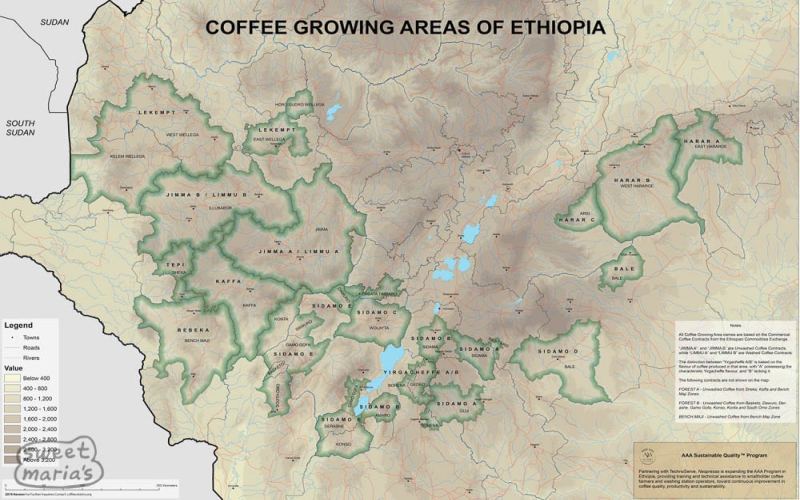
A Complete Guide to Ethiopian Coffee Regions: Yirgacheffe Altitude Characteristics and a Flavor Guide to Nine Major Regions
Ethiopia, the birthplace of coffee, nurtures over five thousand native coffee varieties in the Kaffa forests of its south. After the administrative boundary adjustments in 1995, Sidamo Province was redivided, Yirgacheffe was placed under the Gedeo Zone, and it is common to see old and new production area names used interchangeably in the market. This article combines the latest administrative divisions to systematically review the altitude, cultivation patterns, and flavor characteristics of Ethiopia's nine major coffee-producing regions, takes a deep look at the evolution of the washed and natural processing methods in Yirgacheffe, and shares Front Street Coffee's cupping experience and brewing suggestions for representative beans such as Huakui 8.0, providing coffee lovers with a complete guide to Ethiopia's coffee-producing regions. [more…]
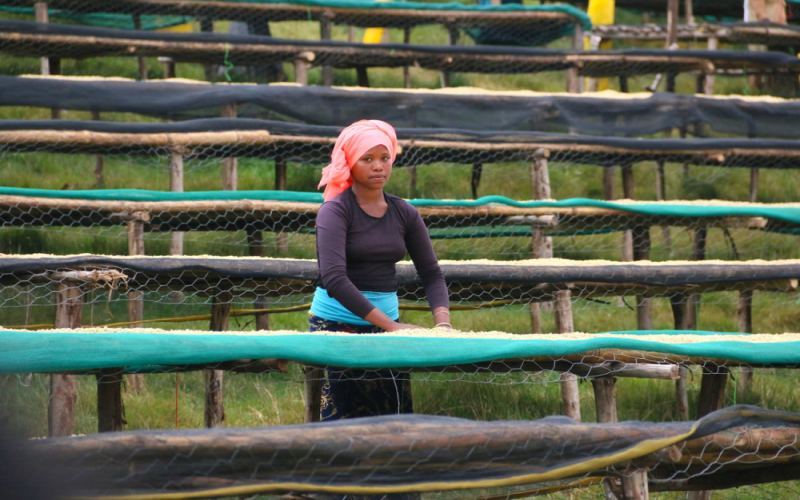
Ethiopia, the African Coffee Country: Production Regions, Variety Processing, and the Flavor Secrets of Yirgacheffe and Sidamo
As Africa's largest coffee producer, Ethiopia's connection to coffee goes far beyond a beverage—from wedding ceremonies to traditional remedies, coffee has long been woven into the daily life of local people. This article systematically reviews Ethiopia's coffee cultivation system and the distribution of its nine major producing regions, analyzes the flavor characteristics and processing method differences of two representative specialty coffees, Yirgacheffe and Sidamo, and also introduces how the Red Cherry Project operates, the current state of coffee variety records, and the ECX grading system. The article also combines Front Street Coffee's roasting and brewing suggestions to provide coffee enthusiasts with a complete reference from understanding producing regions to actual brewing. [more…]

A Complete Guide to Ethiopian Coffee Bean Grading and Regions: From Coffee Ceremony to the Flavors of Nine Major Origins
Ethiopia is widely recognized as the birthplace of coffee. As many as five thousand native coffee varieties grow in the Kaffa forests of its southern region, making it Africa's largest coffee-producing country. Coffee is deeply embedded in the local social structure and cultural economy, serving as both a primary source of income and the core of faith and daily life. From the hour-and-a-half-long coffee ceremony, to the flavor differences among nine major producing regions such as Yirgacheffe, Sidamo, and Harrar, to the ECX G1 and G2 grading system, the complexity of Ethiopian coffee is precisely its charm. Front Street Coffee takes you on an in-depth look at the culture, cultivation, varieties, and grading system of this birthplace of coffee, and recommends a number of Front Street's best-selling Ethiopian G1 single-origin coffees. [more…]
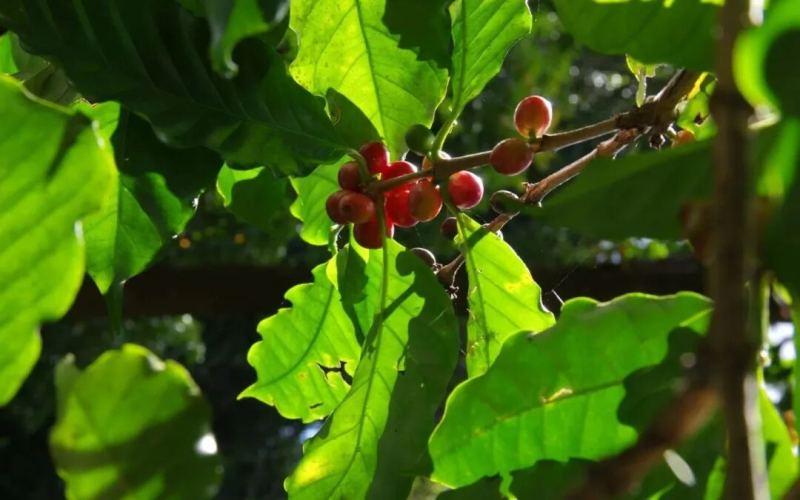
Ethiopian Coffee Beans | How Many Coffee Regions Are There in Ethiopia? Which Washing Stations and Cooperatives Produce Ethiopian Specialty Coffee?
As the birthplace of coffee, Ethiopia has always been a pilgrimage site for many coffee professionals. Many friends who come to Front Street Coffee ask as soon as they walk in whether we have Ethiopian beans, whether we have Yirgacheffe beans. Yes, whether for coffee beginners or coffee connoisseurs, Ethiopian coffee beans have that bright [more…]
Ethiopian Coffee's Flavor Code and Century-Old Ritual: A Full Analysis from the Birthplace to the Nine Major Regions
As the recognized birthplace of coffee, Ethiopia not only boasts thousands of native coffee varieties but also weaves coffee deeply into its social fabric and daily life. From the hour-and-a-half-long coffee ceremony to the flavor differences among its nine major regions such as Yirgacheffe and Sidamo, this article guides you through a systematic understanding of the cultural core and cultivation landscape of Ethiopian coffee. Front Street Coffee will also share roasting and brewing suggestions along with flavor descriptions for Yirgacheffe and Sidamo, helping coffee enthusiasts gain a more comprehensive understanding of this specialty coffee nation. [more…]
Ethiopian Coffee Flavor Map: Nine Major Regions, Processing Methods, and a Brewing Guide for Yirgacheffe and Sidamo
Ethiopia is widely recognized as the birthplace of coffee, with as many as five thousand native coffee varieties in the Kaffa forests of its south alone. As Africa's largest coffee-producing country, Ethiopia exports only sixty percent of its coffee beans, while the rest are woven into local weddings, festivals, and daily rituals. In this country, coffee is both a faith and a culture; the complete coffee ceremony—from roasting the beans and grinding them with a pestle to brewing and drinking—can last up to an hour and a half. This article will systematically sort through Ethiopia's coffee cultural background, cultivation models, the flavor characteristics of its nine major regions, the Red Cherry Project, and its variety and grading systems, and will append Front Street Coffee's roasting and brewing recommendations for Yirgacheffe and Sidamo, helping coffee lovers gain a comprehensive understanding of this specialty coffee holy land. [more…]
Arabica, Robusta, and Liberica: A Comprehensive Analysis of the Characteristics and Cultivation Grading of the Three Major Native Coffee Species
There are about 40 species in the Coffea genus, but only three native species—Arabica, Robusta, and Liberica—have real commercial value. They differ markedly in appearance, flavor, disease resistance, suitable altitude, and cultivation conditions: Arabica is elegant yet delicate, Robusta is hardy and intense, while Liberica is limited to localized trade in West Africa. Starting from botanical characteristics, this article systematically sorts out the origin distribution, climate and soil requirements, the complete cultivation process from sowing to harvesting, and the grading systems that producing countries have formed based on altitude, screen size, and defect bean ratios. Whether you are new to specialty coffee or want to understand the logic of origins more deeply, this foundational knowledge will help you more clearly judge the variety and terroir code behind the flavor in your cup. Front Street Coffee will also combine the key points in this article to recommend directions for your everyday purchases. [more…]
The Ethiopian Coffee Trademark Dispute and a Full Analysis of the Nine Major Producing Regions: The Development Trajectory from Front Street Yirgacheffe to Huakui
Ethiopia is Africa's largest coffee-producing country and one of the birthplaces of specialty coffee. This article begins with the trademark lawsuit between Ethiopia and Starbucks, reviews the country's journey to secure rights for coffee farmers, and then systematically outlines the cultivation systems, flavor characteristics, and evolution of processing methods across Ethiopia's nine major coffee-producing regions. Drawing on Front Street Coffee's cupping and roasting experience, it provides a detailed introduction to representative products such as Front Street Yirgacheffe and Front Street Natural Huakui, and analyzes the logic of flavor changes behind the Red Cherry Project, the ECX grading system, and the successive iterations of Huakui, offering coffee lovers a regional guide that combines historical context with practical information. [more…]
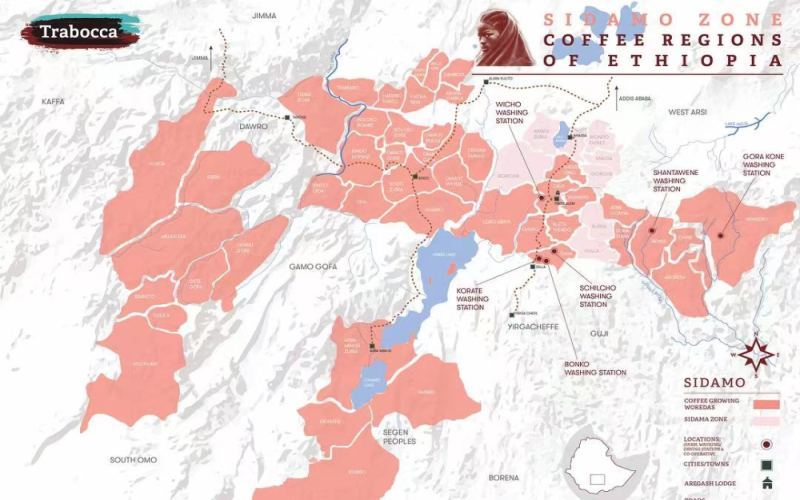
A Complete Analysis of Ethiopian Coffee Regions: The Flavor Code from Yirgacheffe to Sidamo Hambela
Ethiopia, as the birthplace of coffee, has given rise to countless fascinating coffee flavors. From the signature citrus-lemon acidity of Yirgacheffe to the stunning strawberry-cream notes of Sidamo Hambela, this land never fails to surprise coffee lovers. In this article, Front Street Coffee will systematically review the spread history, growing conditions, characteristics of the nine major regions, variety classification, grading standards, and the evolution of processing methods of Ethiopian coffee, and will take a deep dive into the process differences between the two major methods: washed and natural. Whether you favor bright fruit acidity or prefer fermented sweetness, you can find your ideal choice in this Ethiopian coffee guide. At the end of the article, there are also several Ethiopian coffee beans selected by Front Street Coffee to help you make a precise purchase. [more…]
From coffee origin legends to the full growing and processing journey: a detailed guide to variety classification, brewing recipes, and health benefits
Coffee, derived from the Greek word "Kaweh," means "strength and passion." This article systematically traces the journey of coffee from the shepherd's legend to its global spread, explains in detail the characteristics and origins of the three major species—Arabica, Robusta, and Liberica—surveys classic single-origin coffees such as Blue Mountain, Colombia, and Mocha along with more than thirty flavored coffee recipes, introduces the varietal composition of Yunnan coffee, and provides an in-depth explanation of the entire process of coffee cultivation, primary processing, and roasting techniques, as well as the many health benefits and drinking contraindications of coffee. Whether you are a beginner just starting out or a seasoned enthusiast, you can gain practical knowledge and tasting inspiration from it. [more…]
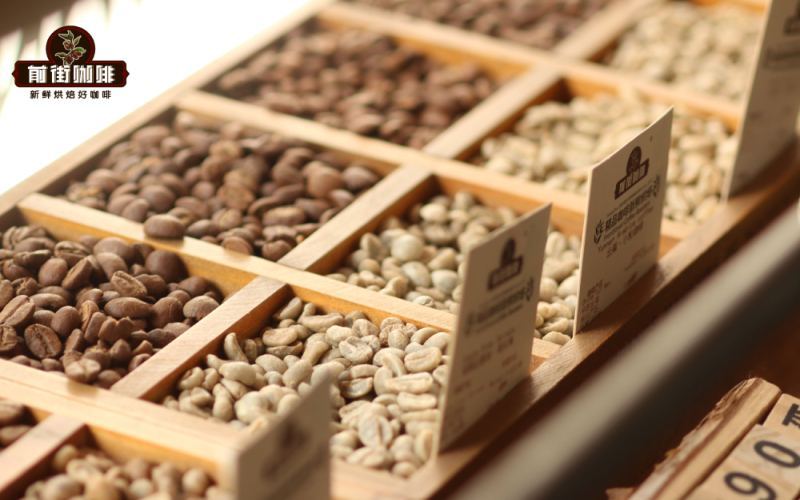
A Complete Analysis of African Coffee Origins: Flavor Characteristics and Growing Advantages of Ethiopia, Kenya, and Other Countries
Africa, as the continent of coffee's origin, has nurtured many outstanding bean varieties that captivate coffee lovers worldwide. Among them, Ethiopia and Kenya can be considered the two pillars of African coffee, winning broad recognition for their distinctive flavor profiles. This article systematically reviews the cultivation systems, variety compositions, processing methods, and flavor expressions of major African coffee-producing countries—including Ethiopia, Burundi, Rwanda, Kenya, Tanzania, and others—offering an in-depth analysis of the subtle differences among various specialty-producing regions. It also introduces the roasting and brewing parameters for several African beans from Front Street Coffee, providing coffee lovers with a complete guide to African coffee flavors. [more…]

Specialty Coffee Drip Bag Black Coffee Recommendations | Illustrated Tutorial on How to Brew Drip Bag Coffee: What Are Common Mistakes in Drip Bag Coffee Brewing?
For the same beans, freshly roasted coffee and drip bags will have certain differences in flavor, because once coffee is ground into powder, its natural aromas disappear quickly. Of course, Front Street Coffee also has quite a few regular customers who request that the beans be ground before shipping, and in such cases Front Street Coffee generally recommends drinking it as soon as possible. Of course, compared with pour-over, drip bags are [more…]

How Should You Brew Drip Bag Coffee Correctly? From Blooming to Coffee-to-Water Ratio, a Full Flavor Analysis of Ten Specialty Drip Bag Brands
Drip bag coffee, with its portability and ease of use, has become the top choice for many people drinking specialty coffee daily. But the seemingly simple four steps—tear, hang, pour, remove—actually hide many details that are easy to get wrong. Based on Front Street Coffee's hands-on experience, this article systematically sorts out the correct brewing process for drip bag coffee and four common operational mistakes, and shares three key techniques for enhancing flavor: pouring water with a narrow-spout kettle, controlling the coffee-to-water ratio, and managing water temperature. At the end, it lists ten representative drip bag products under Front Street, covering regional flavors such as Panama Butterfly, Kenya Little Tomato, Yirgacheffe Red Cherry, Mandheling, and Brazil Cerrado, with options ranging from acidic, full-bodied, to winey, making it easy to choose according to taste. [more…]
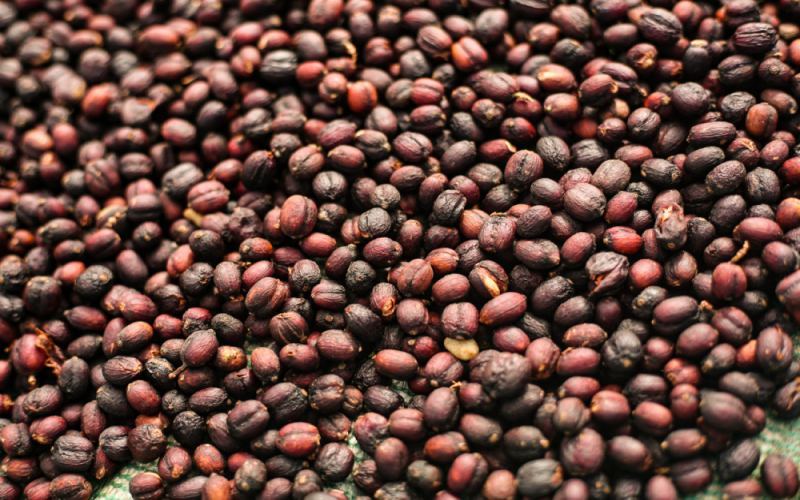
A Complete Guide to Ethiopian Coffee Varieties and Grading: Yirgacheffe Flavors and Front Street Coffee Pour-Over Parameters
Ethiopia, as a genetic treasure trove of coffee, has complex bean varieties and inconsistent bean sizes, yet this creates a unique flavor interwoven with bright fruity acidity and floral notes. From the perspective of Front Street Coffee, this article systematically reviews Ethiopian coffee cultivation and harvesting methods, the origins of Heirloom native varieties, the terroir characteristics of nine major specialty production regions, as well as the ECX trading system and the G1-G5 grading standards. It also explains in detail the flavor performance of representative beans such as Yirgacheffe, Sidamo, and Huakui, and includes Front Street Coffee's V60 pour-over parameters, helping enthusiasts fully understand the diverse charm of Ethiopian beans. [more…]